The 2026 sakura season is upon us, so what better place to enjoy the blossoms than a list of places to fully enjoy them? It’s important to note that tourism has grown dramatically in Japan in recent years, and some cities, especially Kyoto, are experiencing massive overtourism. The cherry blossom season is a very important event for the Japanese, celebrating the rebirth of life. The name used here in Japan is Hanami (花見), literally meaning “blossom viewing.” This time of year (which lasts about a week) is packed with activities, festivals, and events spread across the country. In Tokyo, there are countless places to fully enjoy the cherry blossoms. The city’s large parks transform into magical, social gathering places. People bring blankets to sit on the ground under the cherry trees and enjoy the day sipping coffee, sake, and eating snacks with friends. Below is a list of parks and places in and around Tokyo to fully enjoy the blossoms.
- Ueno Park
- Itabashi, Shakuji River
- Chidorigafuchi park
- Naka Meguro
- Yoyogi Park
- Inokashira Park
- Shinjuku Gyoen
- Kawagoe
- Kamakura
Ueno Park
Ueno Park (上野公園 Ueno-kōen) is a spacious public park located in the Ueno district. The park was originally part of Kaneiji Temple, one of the largest and richest temples in the city and the family temple of the Tokugawa shogunate during the Edo period.
During the Boshin Civil War, which followed the Meiji Restoration in 1868, Kaneiji suffered almost total destruction in a battle between the victorious forces of the new government and loyalists of the overthrown shogunate. After the battle, the temple grounds were converted into one of the first Western-style parks in Japan and opened to the public in 1873. A statue of Saigo Takamori, one of the generals at the Battle of Ueno, stands near the park’s southern entrance. Today, Ueno Park is famous for its many museums, most notably the Tokyo National Museum. In Ueno, you can also visit Ueno Zoo, Japan’s first zoological garden. During the cherry blossom season, much of the park’s space is organized to accommodate the large influx of visitors. As one of the city’s largest and most famous parks, it is highly visited not only during Hanami but also year-round.
Itabashi, Shakuji River
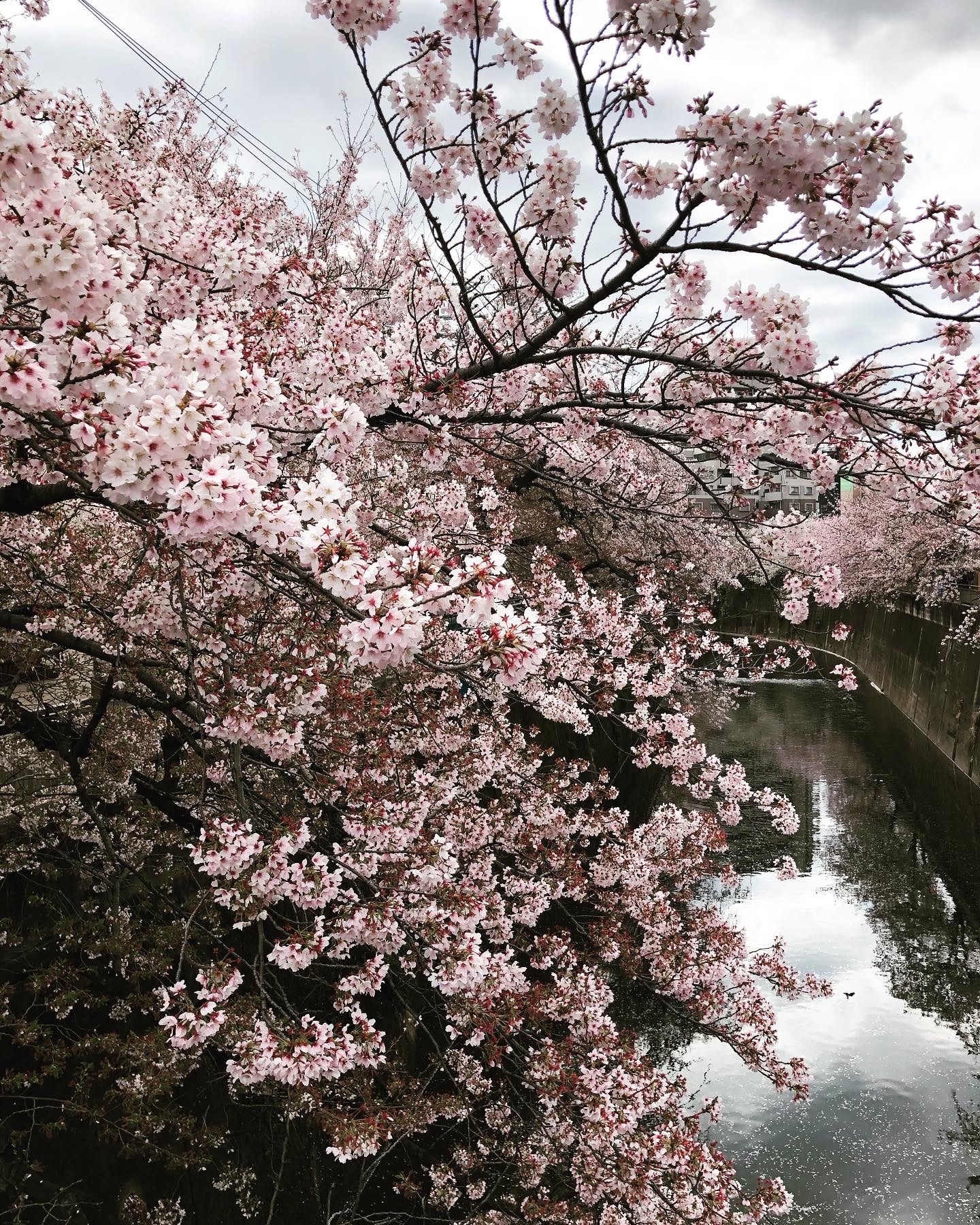
Along the Shakuji River in the Itabashi district, a long row of cherry trees stretches in a quiet area, largely unknown to tourists. Most of the people enjoying the blossoms here are locals, residents of the area. Picnics are not allowed in this area as the cherry trees are located along the river and not within a park; nevertheless, it remains one of the most beautiful places to enjoy the blossoms in the city.


Chidorigafuchi Park
Chidorigafuchi Park, opened in 1919, has long been known as the ideal spot for cherry blossom viewing. The park welcomes numerous visitors every year, and the best time to admire the cherry blossoms is from late March to early April, when the park’s 170 cherry trees are in full bloom. From February to May, the rapeseed plants also bloom yellow, creating a vivid contrast with the cherry blossoms. The Chiyoda Sakura Festival is held during the cherry blossom season; this includes the nightly illumination of the cherry trees and the special nighttime opening of Chidorigafuchi Pier. During the day, you can rent a boat from the pier and admire the cherry blossoms from the water.
Naka Meguro
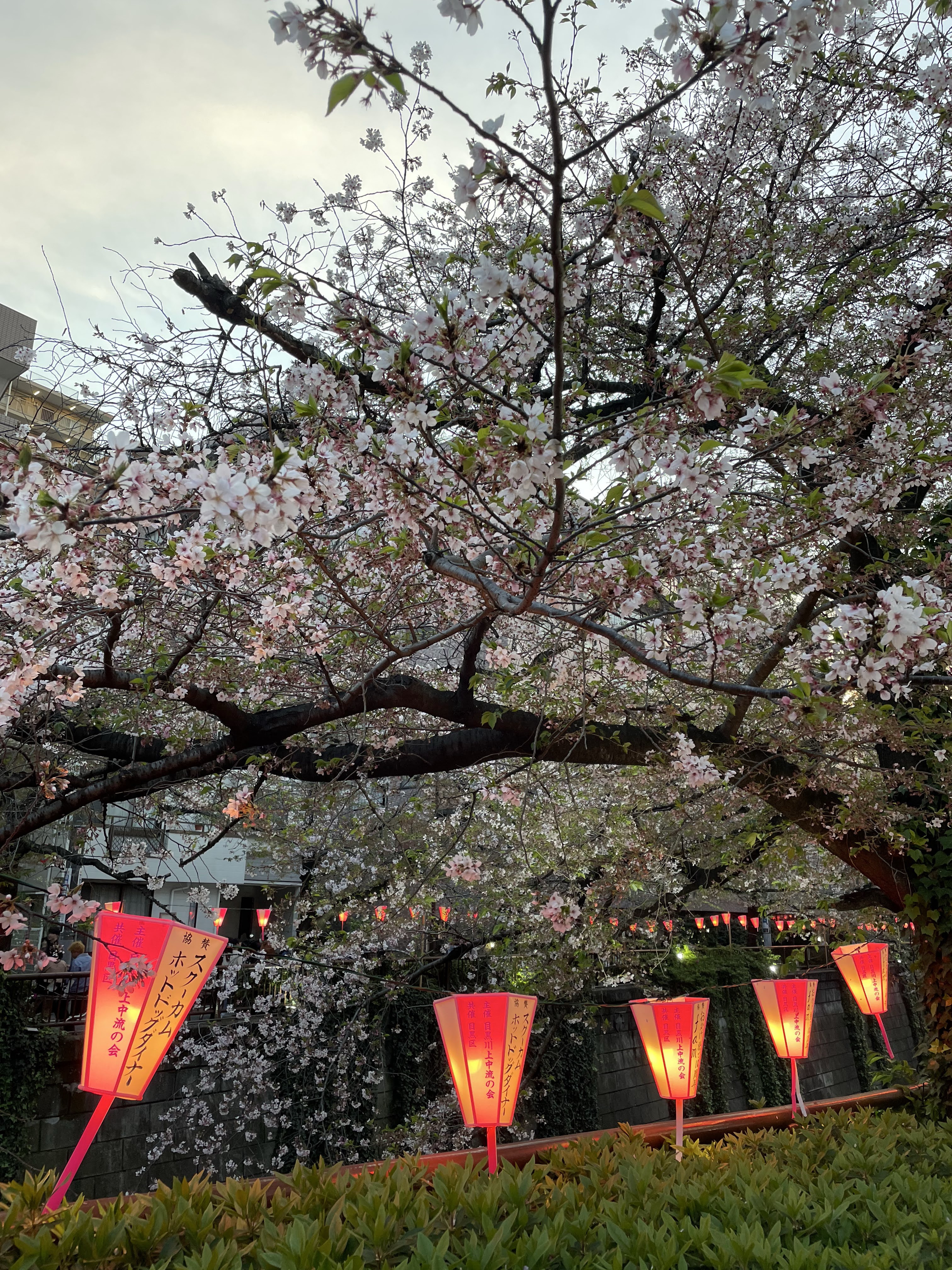
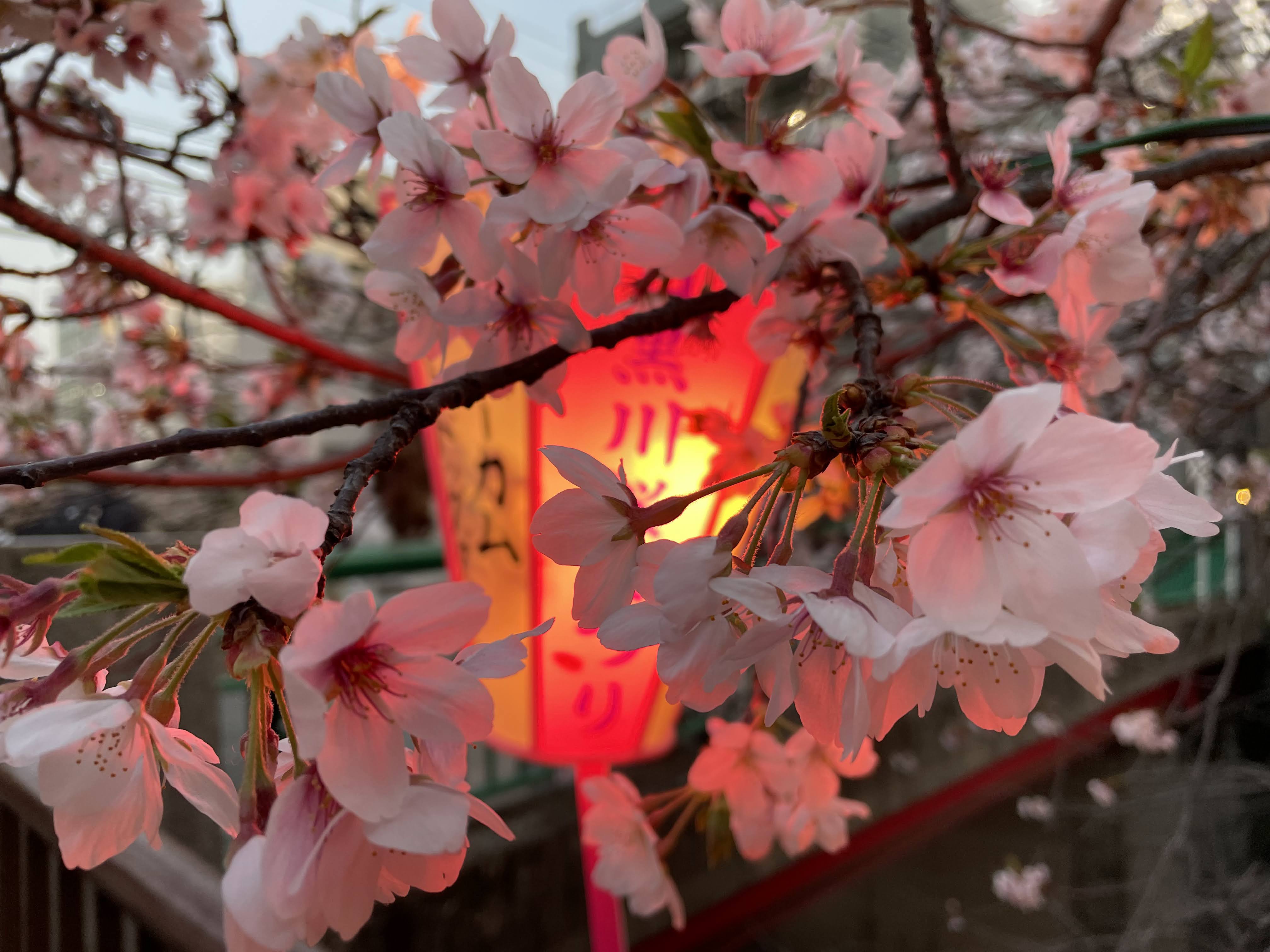
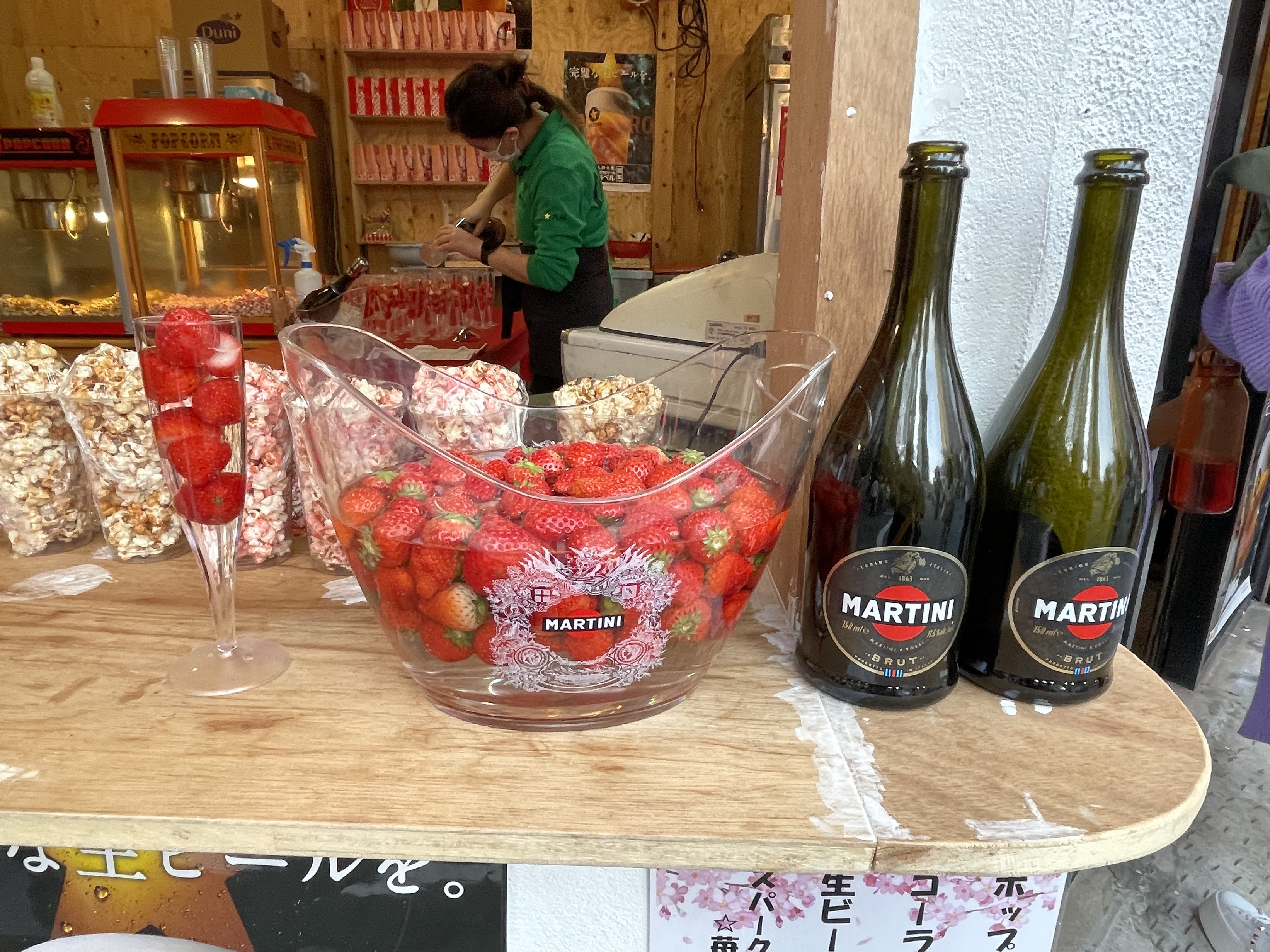
Naka Meguro is perhaps the most famous area in Tokyo for hanami viewing. The cherry trees here follow the Meguro River, and locals set up stalls selling street food and drinks along the way. The atmosphere here is festive. As evening falls, the lanterns lining the street are lit, creating a romantic atmosphere. One of the best vantage points to see the cherry trees from above is the terrace of the Starbucks Roastery, but I recommend arriving well in advance because it’s packed during the blossom season, and the cafe staff schedules entry times.
Yoyogi Park
Near Shibuya and very close to Meiji Jingu Shrine, Yoyogi Park is one of the city parks where it’s traditional to picnic and enjoy the cherry blossoms. Before becoming a city park in 1967, the area surrounding Yoyogi Park was home to the Olympic Village for the 1964 Tokyo Olympics and, before that, a residential area for US military personnel. During the cherry blossom season, some areas of the park are closed due to the large crowds, while other areas remain open to allow everyone to enjoy hanami and relax with friends.
Inokashira Park
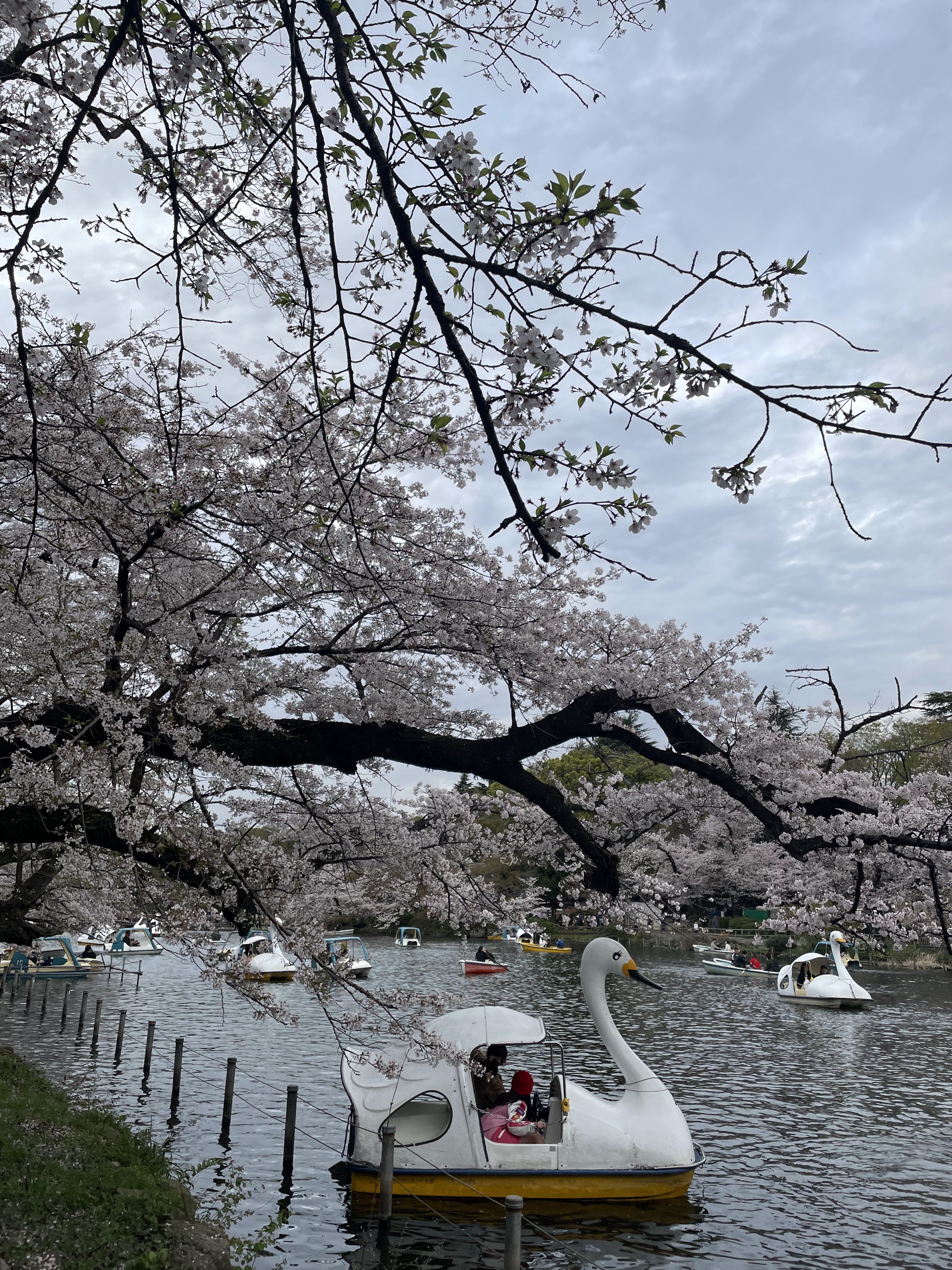
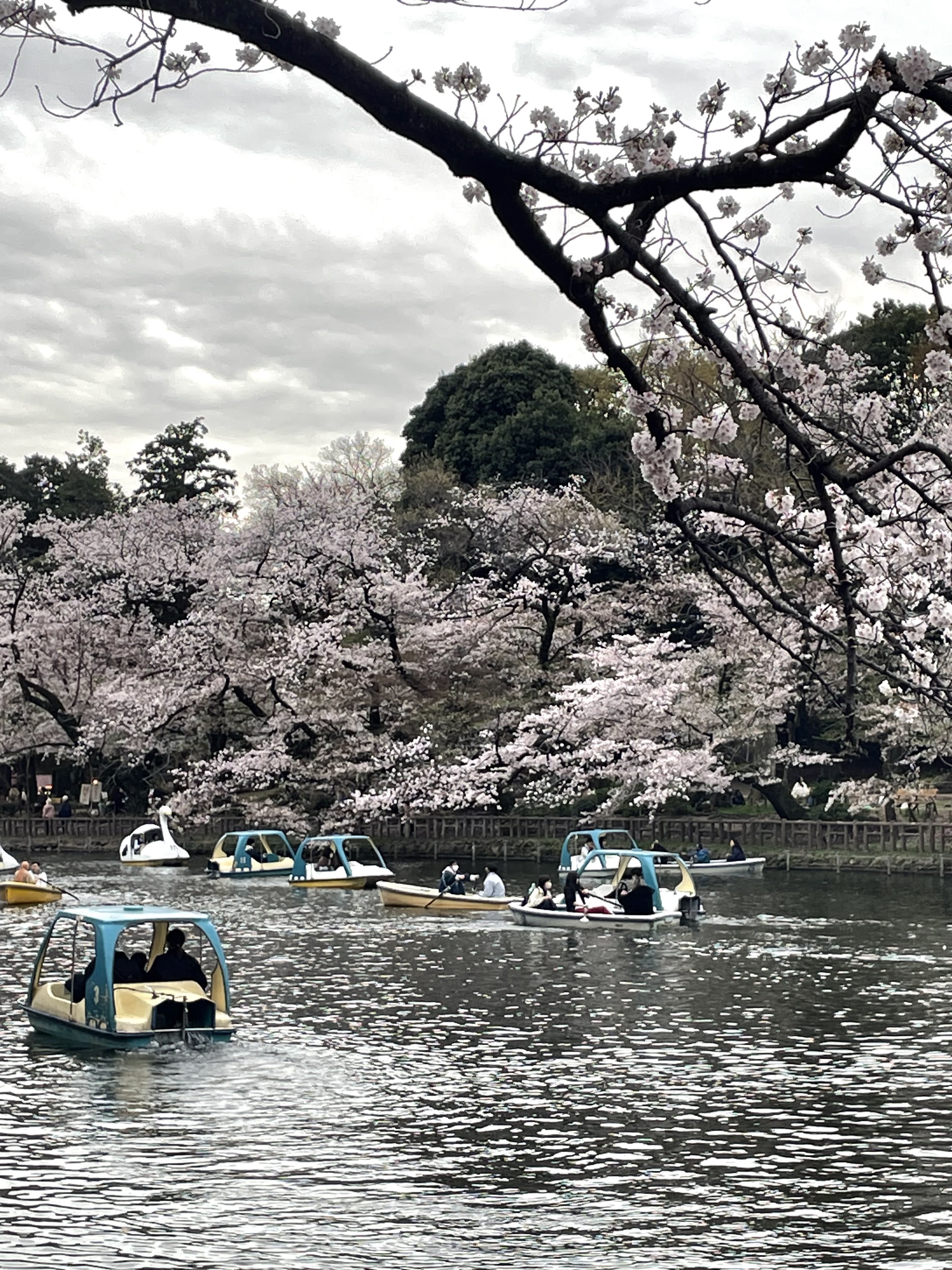
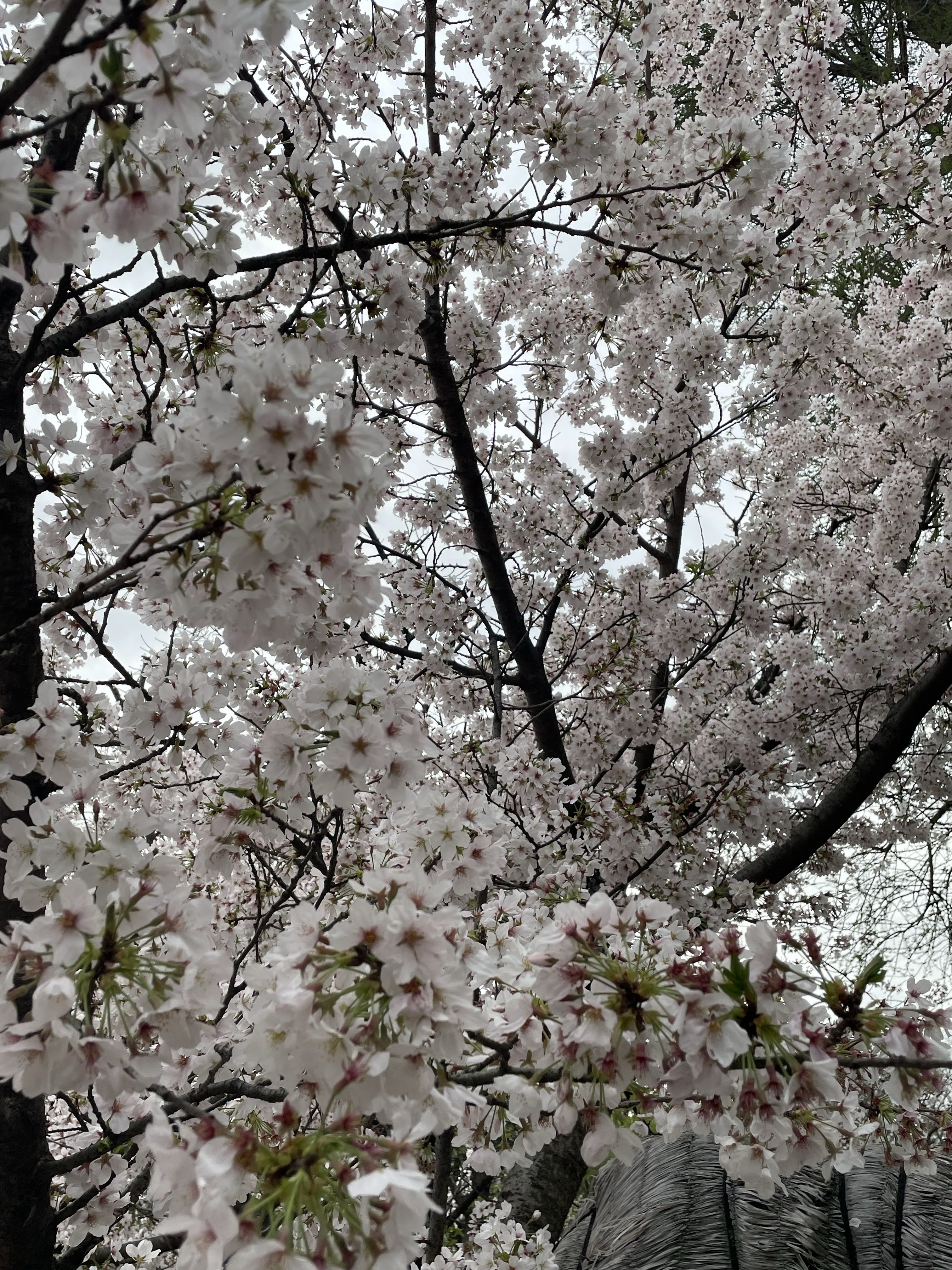
Little-known to tourists, Inokashira Park, in the Musashino area, offers stunning nature year-round, but is truly magnificent during the cherry blossom season. The lake at the park’s center creates a romantic atmosphere for those who rent a swan boat and enjoy the view of the cherry trees from the water.
Shinjuku Gyoen
Shinjuku Gyoen (新宿御苑) is one of Tokyo‘s largest parks; located just a short walk from Shinjuku Station, the park’s spacious grounds offer a relaxing escape from the surrounding city. The park was built on the site of a private residence belonging to the daimyo (feudal lord) Naito during the Edo period (1591). Initially a government-run agricultural experimental station, founded in 1872, it later became an imperial property, completed in 1906 as an imperial garden. It developed as a palace garden for international diplomacy, redesignated as a national garden after World War II and opened to the public. Covering 58.3 hectares, Shinjuku Gyoen is the most representative garden of the modern Western style of the Meiji era, blending three different styles: the formal garden, the landscape garden, and the traditional Japanese garden. The garden was designed by a French landscape architect and is considered one of the most important of the Meiji era. Shinjuku Gyoen Park is open to the public but requires the purchase of a ticket to enter; the cost is around 500 yen per person (closed on Mondays).
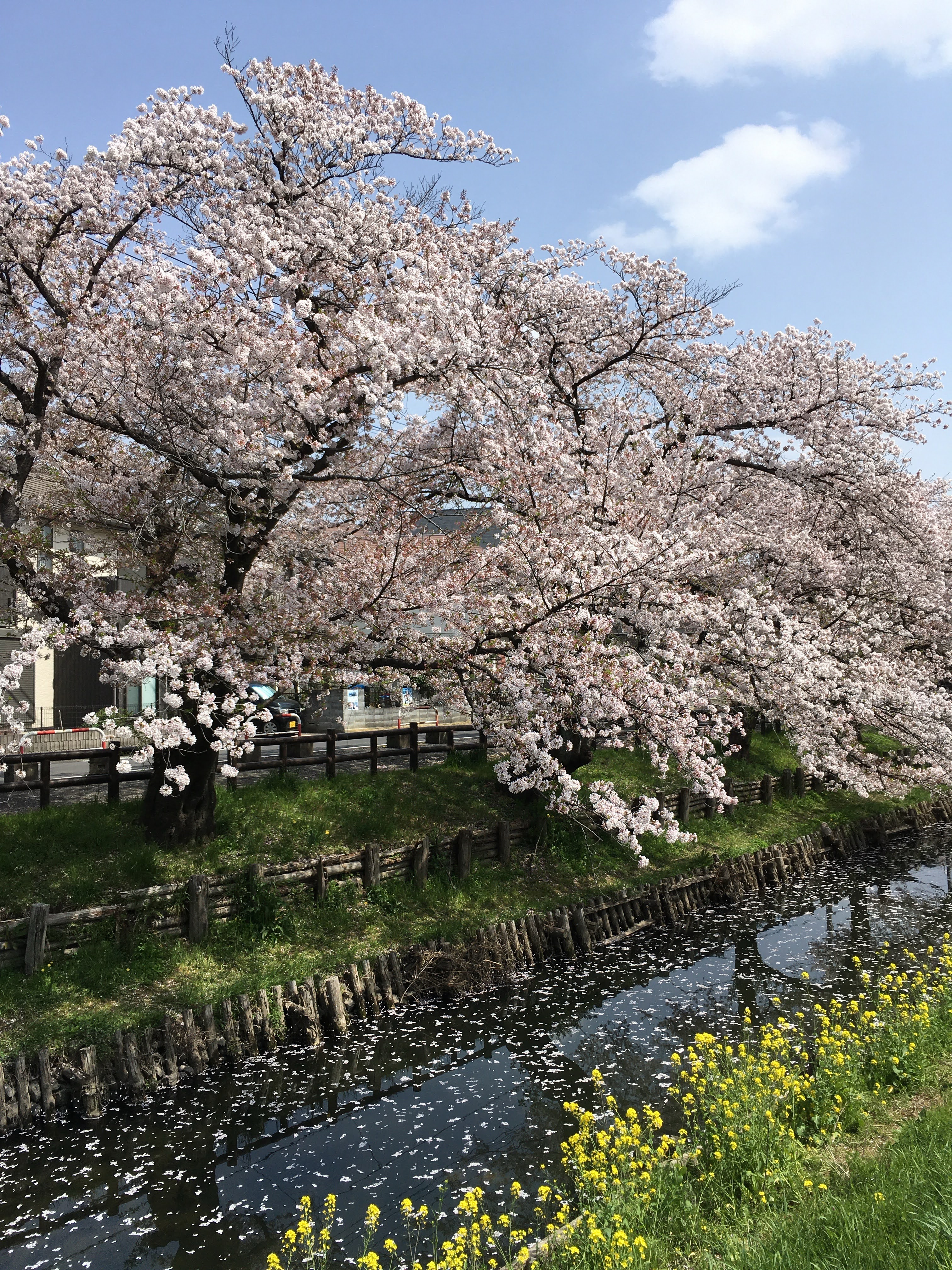
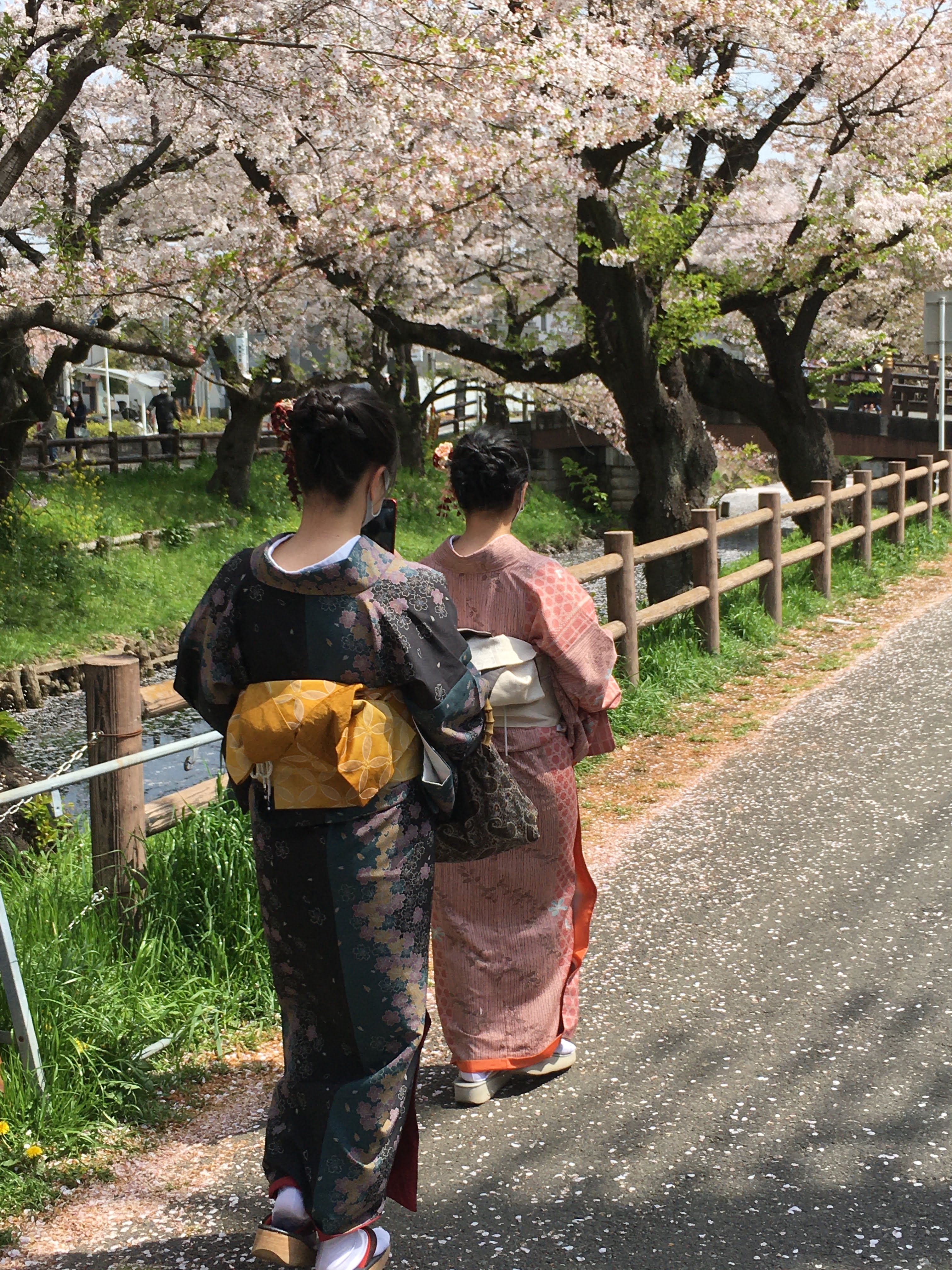
Kawagoe
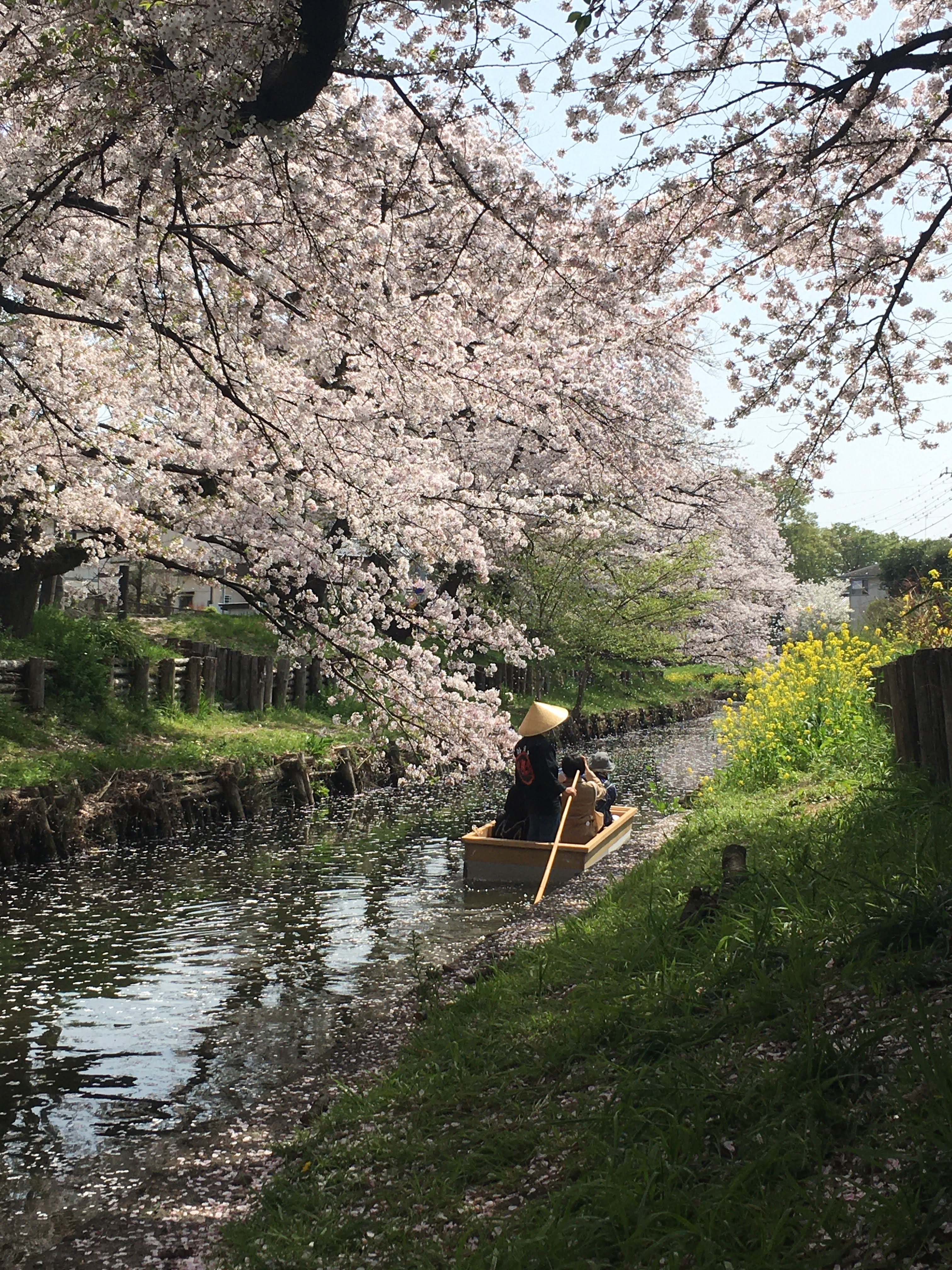
In the town of Kawagoe, nicknamed “Little Edo” for its historic traditional buildings, lies a large pedestrian area along the Shingashi River. This area, rarely visited by mass tourism, is one of the most tranquil for enjoying cherry blossoms. Here, too, you can board a small boat and let yourself be lulled by the flowing river. Kawagoe is about a 30-minute train ride from Tokyo and is perfect for a day trip. Its main street, lined with Kurazukuri buildings (warehouse-style buildings with clay walls), retains an atmosphere reminiscent of an ancient town from the Edo period (1603-1867) and allows us to imagine the streets of centuries past. In the past, Kawagoe prospered as a supplier of raw materials to Tokyo, and since it was an important city for the capital for commercial and strategic purposes, the shogun appointed some of his most loyal men as lords of Kawagoe Castle. Close ties developed between the two cities, and over the years, Kawagoe inherited many aspects of Edo architecture.
Kamakura
Kamakura, a small, historic city overlooking the Pacific Ocean, became the political center of Japan when Minamoto Yoritomo chose it as the seat of his new military government in the late 12th century. The Kamakura government continued to govern Japan for over a century, first under the Minamoto shogunate and then under the Hojo regents. The long avenue leading to Tsurugaoka Hachimangu Shrine (Wakamiya oji) is a pedestrian area where you can stroll peacefully beneath the cherry blossoms.
 Le Vie della Seta